
Torsten Posselt: The FELD Studio for Digital Crafts, Berlin
Advantage of deliberately choosing design direction against your own preferences in order to open up new possibilities: “It is very interesting to try to take a little bit of a detour and identify kind of new areas for yourself that are not based on your preferences, that are essentially based on something you have no idea about. Because then usually you have a lot of fun time in researching, you have fun time in learning something and discovering new things. Then I believe, the main role of the designer these days comes into play because then they need to combine certain aspects that you also kind of heard of, where you have to keep up your mind and make a stamp on them… there is nothing worse than a designer always doing the same thing because you get colour-blind at some point, you just don’t see the spots anymore, because you saw it so many times”.
Matt Jones: Accept & Proceed, London
Design for social change: “Accept & Proceed are very conscious of the clients that we want to work with and the marketing avenues that we want to explore. We’re about partnering with visionaries and we’re about partnering with companies that are really taking initiative in making sure that we’re responsible with, in the earth that we’re in right now. And very conscious of the things that are happening around us, in regards to things like climate change and responsible impact on the earth”.
“One of our key things that we do is we do a lot of self-initiated projects here at Accept & Proceed. We do passion projects that really allow us to explore some of those things that we’re really passionate about, and we use those as tools to speak to existing clients. We also use them as tool to speak to prospective clients and reach out to people that we’re not speaking to, but to have a conversation with”.
Luke Veerman:
- “We solve business problems with design and that can be anything.”
- New projects: finding a problem to be solved in alignment with your skillset
- hings you do you can duplicate and apply somewhere else, in I don’t know, Dubai or Sydney, where they are facing a lot of very similar problems.
Design Indaba, (2015) Michael Bierut on how to think like a designer.
- How to have fun with a card board box
- logo design projects:16 squares
- Gothic fonts: old vs new: cathedral church of the saint john divine graphic
- library murals : creation of rituals – librarian turned light off above mural every day to remind her why she came to work – highlights the social role of design and potential real world impacts on individuals.
Design Indaba, (2013) Marian Bantjes & Jessica Hische on becoming (and staying) successful.
- Mentorship – self taught
- Inspiration – a moment of surprise that can come at any moment from anywhere
- sexism in design
Workshop Challenge
1). Read, research and analyse the four preselected ‘Industry Set’ project briefs and write short preliminary notes about each option. Post the preliminary notes onto your blog.
Industry Set Briefs: Critical Reflection
International Competition (Live)
The Creative Conscience challenge appeals to my interest in the social role of design: Specifically, the emphasis on mental health and wellbeing presents and exciting opportunity to explore my passion for nature and the physiological benefits of connecting with the landscape. This could be achieved through educational or outreach initiatives inspired by the philosophical and psychological perspectives of forest school or outdoor education, which aim to provide alternative learning experiences and organic frame works for child development. Alternatively, the project could aim to tackle the emergence of ‘eco-anxiety’ and inspire positive action, empowering individuals to pursue rewarding sustainable lifestyles. Considering the increasingly progressive understanding of mental health, I would like to explore how socially conscious design can continue to challenge the stigma and apathy surrounding emotional and psychological issues, through the creation of open discussion and community.
International Competition (Concluded)
The adidas challenge is an interesting opportunity to explore contemporary issues within society through the brand’s philosophical perspective that sport can create transformative change by creating unity and resilience. Ideas explored for Creative Conscience regarding outdoor education and activity could be introduced to this project with an environmental emphasis to tackle climate concerns and empower the individual through initiatives such as cycle/ jog to work or campaigns for nature based sports to reconnect people with the awe of nature such as climbing or mountain biking. However this may require research into the specific cultures and the regional problems faced within each outlined city.
Live Collaboration
Potential Industry link: Former employer (Art Graphics), a bespoke art framing company who conducted product development for a biophilic art framing range to appeal to an increasing audience of professionals working from home under lock down restrictions. This project aimed to provide luxury interior design products inspired by biophilic design philosophy in interior design and architecture which seeks increase connectivity to the natural environment. The continuation of this project (scrapped initially due to budgetary restraints) would enable me to create deliverables for a marketing campaign/ product launch reflective of the changing cultural conditions such as the reopening of public spaces and hybrid office and home working etc.
Research and Development
The Science Museum’s Research and Development Project seems like a challenging project with technical parameter which could potentially foster some interesting aesthetic approaches as well as practical interactive and organisational features. Having worked on wire frames for web and email in my current Graphic Design role, I would be quite interested to explore the Science Museums brand identity whilst being required to solve a more complex multidisciplinary design problem. Torsten Posselt’s discussion on choosing future projects based on preference (Lecture: Competitive Context | Interviews), and the advantages of choosing something outside your comfort zone, inspires me to consider this option, as although the emphasis on programming awareness and user experience is somewhat less familiar, it could potentially allow my design practice to develop in unexpected ways.
Chosen Industry Brief: International Competition (Live)
2). Select one of the ‘Industry Set’ project briefs that you would like to develop and deliver over the next eight weeks. Announce your selection on the Ideas Wall, for peer reflection.
Being interested in the social role of design, I chose the Creative Conscience challenge as it offers an opportunity to explore a wide spectrum of socially relevant mental health and wellbeing issues, in addition to the attitudes and preconceptions surrounding them. Considering contemporary existential issues of human caused climate change and ecological crisis, I’d like to explore potential projects which respond positively to the emergence of ‘eco-anxiety’. As environmental awareness can become extremely overwhelming and isolating, I’d like to investigate ways that design can empower and unite individuals for collective social good.
Being passionate about nature and outdoor activity, I’d like to examine the effects of natural engagement on mental, physical and emotional wellbeing through scientific and philosophical perspectives such as biophilic design. This could manifest within design solutions facilitating connectivity to the natural world such as clean-up/ recycling initiatives, horticultural/ conservation communities or educational/ outreach programmes inspired by forest school or outdoor educational philosophies. These activity centred approaches could also increase physical fitness and become a way of tackling sedentary behaviour within modern culture which is currently the cause of many physical and mental health issues in childhood and adulthood.
Research: Competing Projects:
3). Research and discover three creative studios, agencies or solo practitioners who have created competing projects that are in a similar field to your chosen brief. This could be an agency that regularly work in the same field or have created a one-off project, that is similar to your selected project brief.
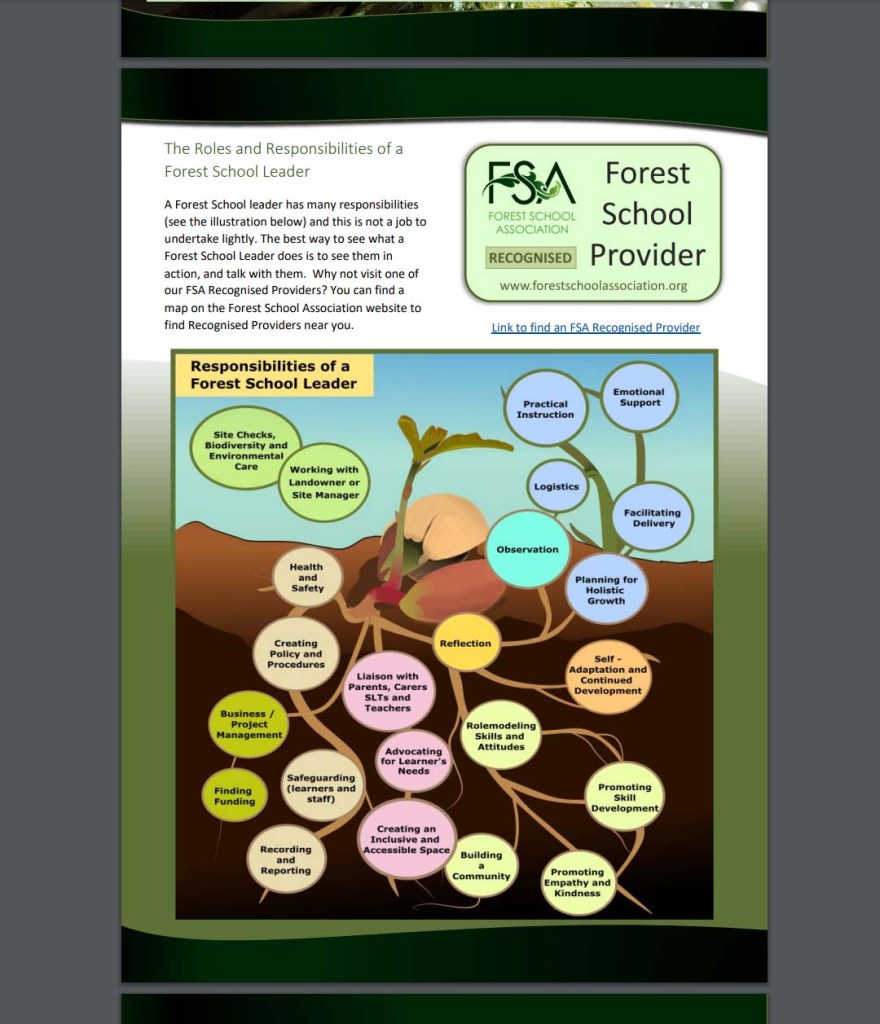
- The Forest School Association: https://forestschoolassociation.org/what-is-forest-school/
- Ethel Ready App
- Headspace
- Biophilic Design Project: Ruins Studio, Scotland: Lily Jencks Studio
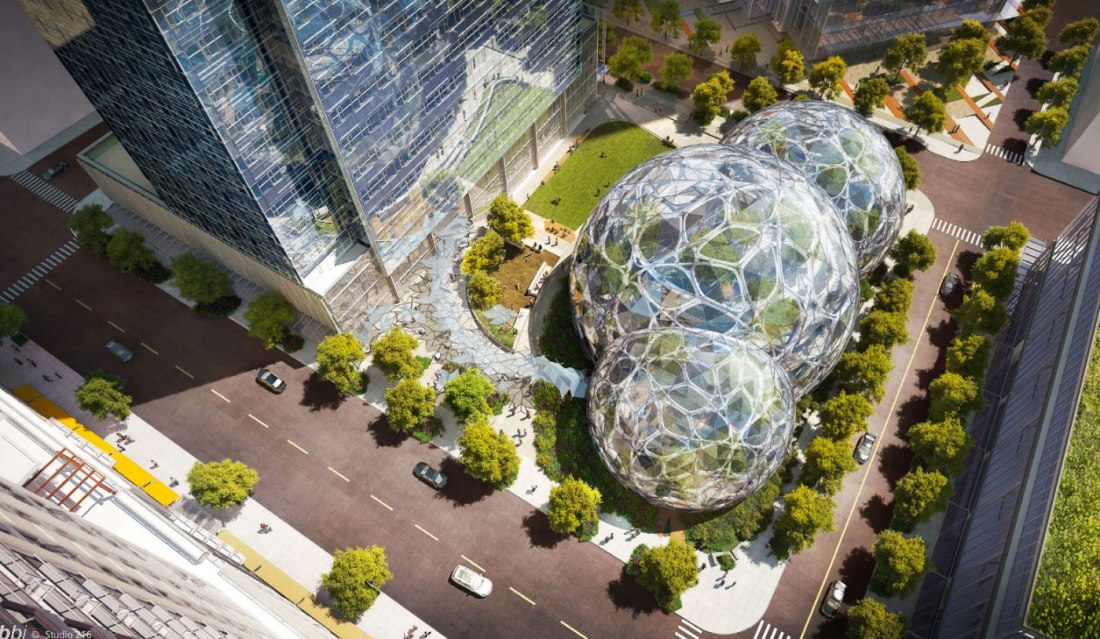
- Biophilic Design Project: The Spheres, Seattle
- Biofilico: Biophilic Interior Design for wellbeing: https://biofilico.com/
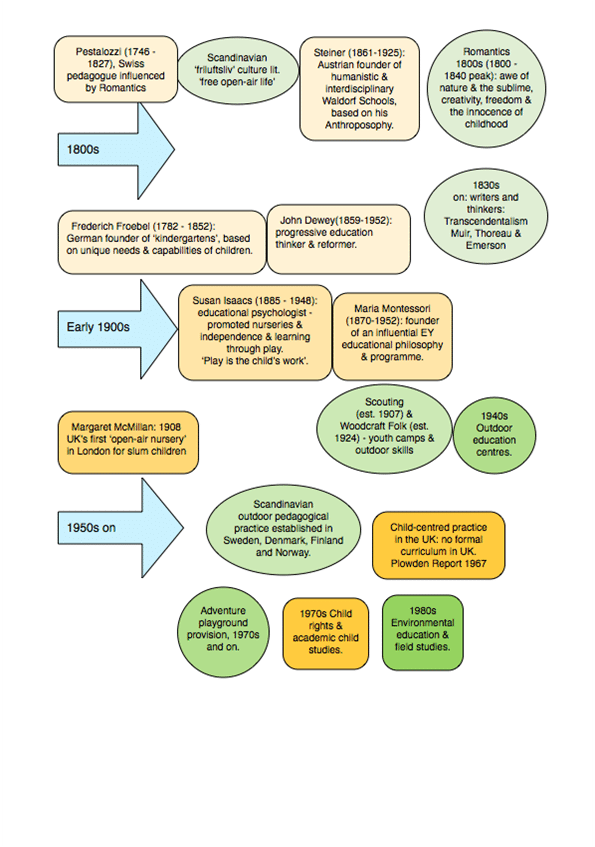
Forest School


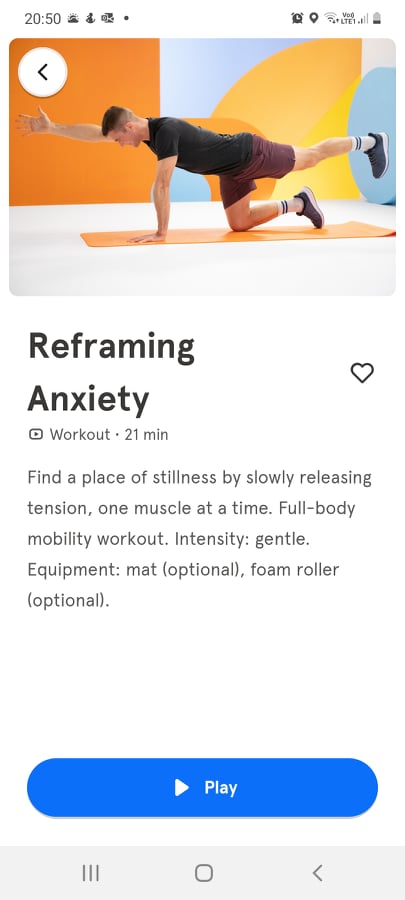
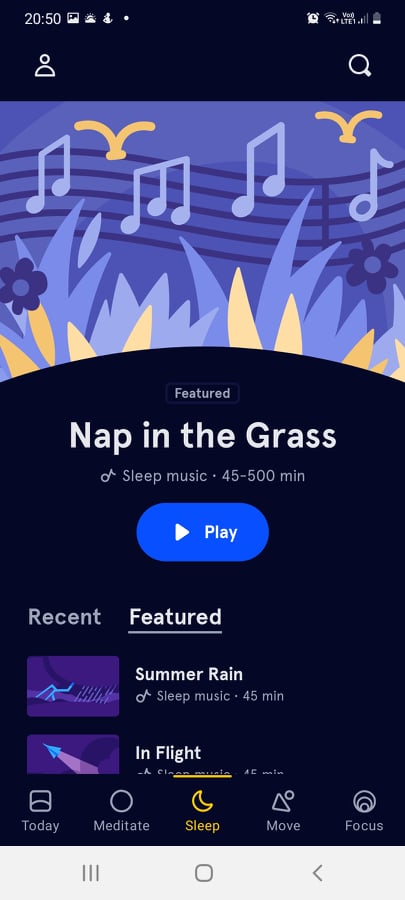
Headspace App
Under the Skin Podcast, Russel Brand interviewing Headspace app’s co-founder, Andy Puddicombe about the role of meditation in contemporary society and the popularisation of mindfulness through the Headspace App











Biophilic Design:

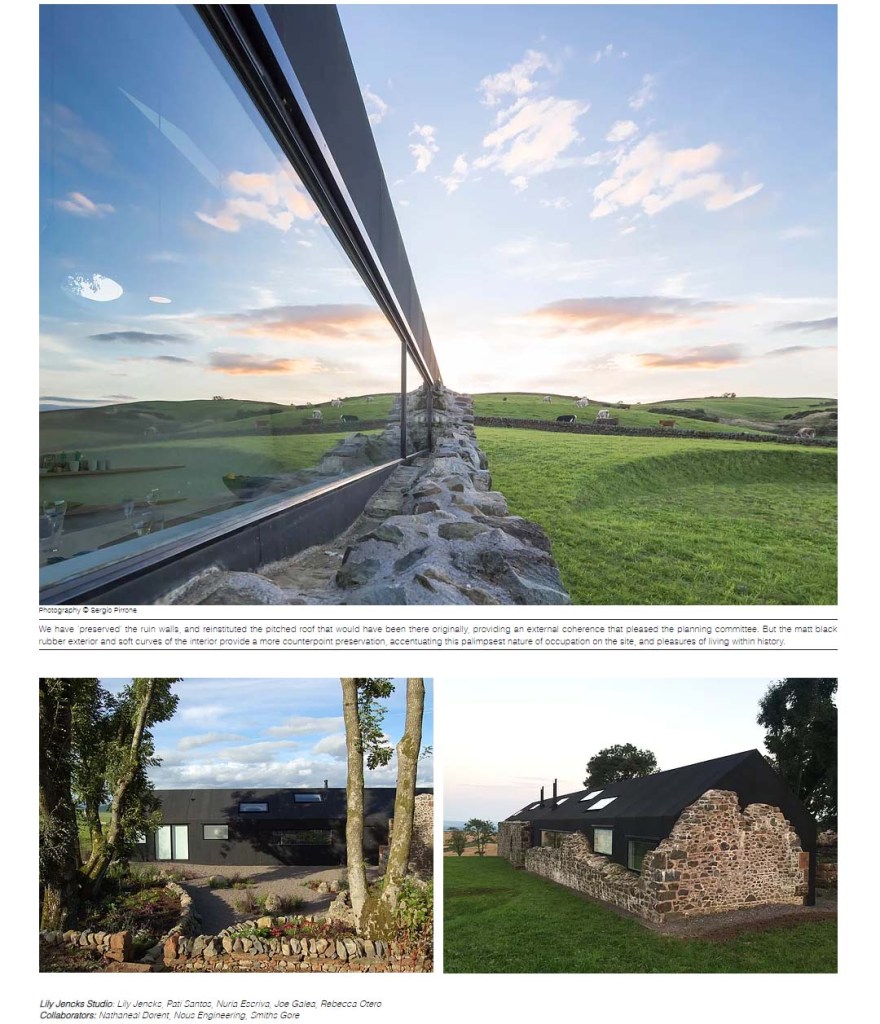
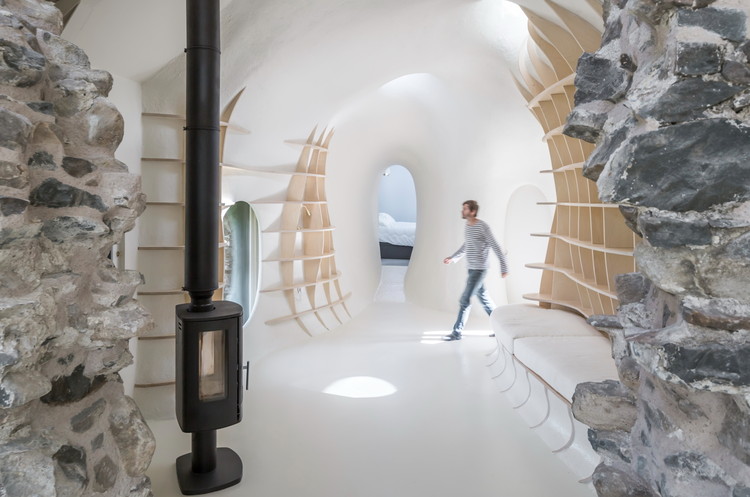
Ruins Studio, Scotland: Lily Jencks Studio
Benefits of biophilic design: the evidence
- A 2016 study in the Journal of Indoor Environment and Health on carbon dioxide and cognitive performance found that moderate amounts of stale air was linked with participants being drowsy and giving slower and fewer correct answers in cognitive tests.
- A study in the US on workers in offices which had either the average level of volatile organic compounds (VOCs) and ventilation or the low level of VOCs and high level of ventilation (which is required by certified green buildings) found huge differences in cognitive performance. The participants in the green offices performed an astounding 101% better than the conventional group!
- A study in the Journal of Environment and Behaviour found the group of children exposed to chronic low-level noise had significantly worse memory recognition scores than their control group.
- The report Learning Spaces cites a year-long study of 2,000 classrooms by the Heschong Mahone Group, which found that: “Students in classrooms with daylight improved 20 percent faster in math scores and 26 percent in reading scores.”
- A study by the American Society for Horticultural Science compared the students’ subjective evaluation in two otherwise identical classrooms, one of which included tropical plants. The students in the class with plants rated both their course and their lecturer more favourably and said they felt more engaged.
- A report by Human Spaces states: “Research shows that optimising exposure to daylight alone can improve school attendance by an average of 3.5days/year and test scores by 5-14% whilst increasing the speed of learning by 20-26%. Trials have found that plants in classrooms can lead to improved performance in spelling, mathematics and science of 10-14%.”
5 evidence-backed examples of biophilic design for schools
Examples of biophilic design for schools:

Creative Practitioners: 600 word Synopsis
- Post a link to the three creative practitioner websites and/or competing projects onto the Ideas Wall, for peer discussion.
- Write a 200 word synopsis (600 words in total) to evaluate the strengths and weaknesses of all three competing industry professional project examples.
- Post your three written synopses onto your blog and remember to include a selection of images that illustrate and support your evaluation.
1). The Forest School Association:
Forest School Association is a UK based community of educational practitioners specialising in a particular branch of outdoor education, inspired by the process driven research of the Scandinavian ‘Nature Nursery’. Forest school recognises and implements the wellbeing benefits of natural woodland spaces in order to create authentic, creative learning environments which cultivate self-esteem and resilience. With an emphasis on experiential learning for holistic physical, cognitive and emotional child development, its core objectives are to encourage play, exploration and supported risk taking through an alternative non-classroom-based approach which engages young people with nature.
Forest school is a grass roots movement which has become a certified initiative within schools in the UK. As it requires ongoing public funding and recognition as a socially valuable practice, it is also somewhat privatised and not accessible to all children in the UK. This inspired me to consider how design can be used to expose more children to the benefits of forest school, for example through a rebrand of Forest School Association, with relevant deliverables to persuade local governing bodies to invest in the practice. Alternatively, an app or editorial project inspired by the practices of forest school to empower parents to facilitate relevant experience outside of the context of school or organised initiatives – integrating nature-based learning it into daily life.
https://forestschoolassociation.org/what-is-forest-school/

2). Headspace App
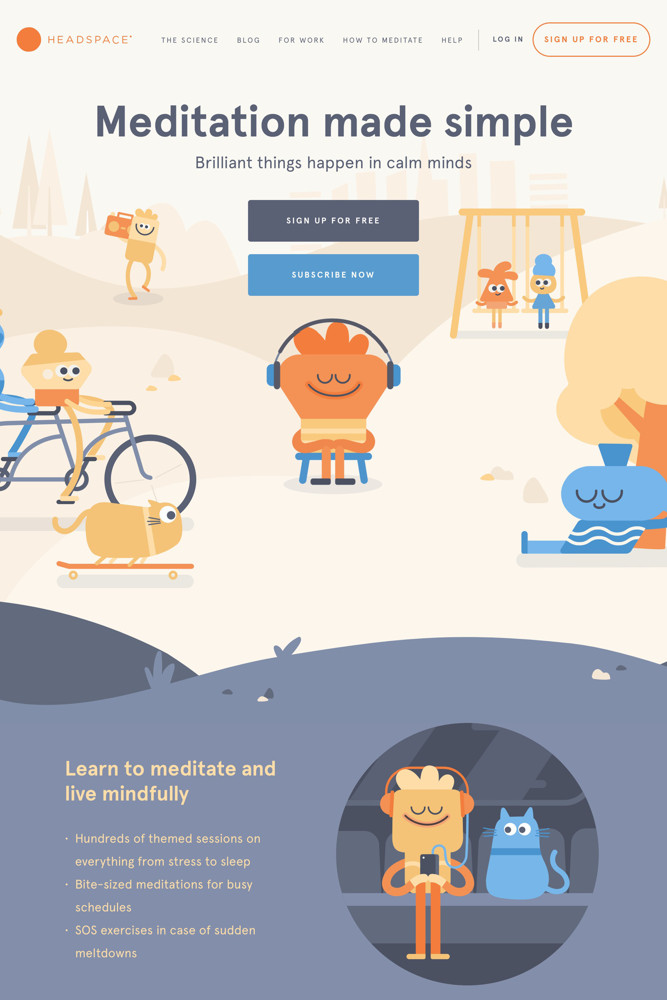
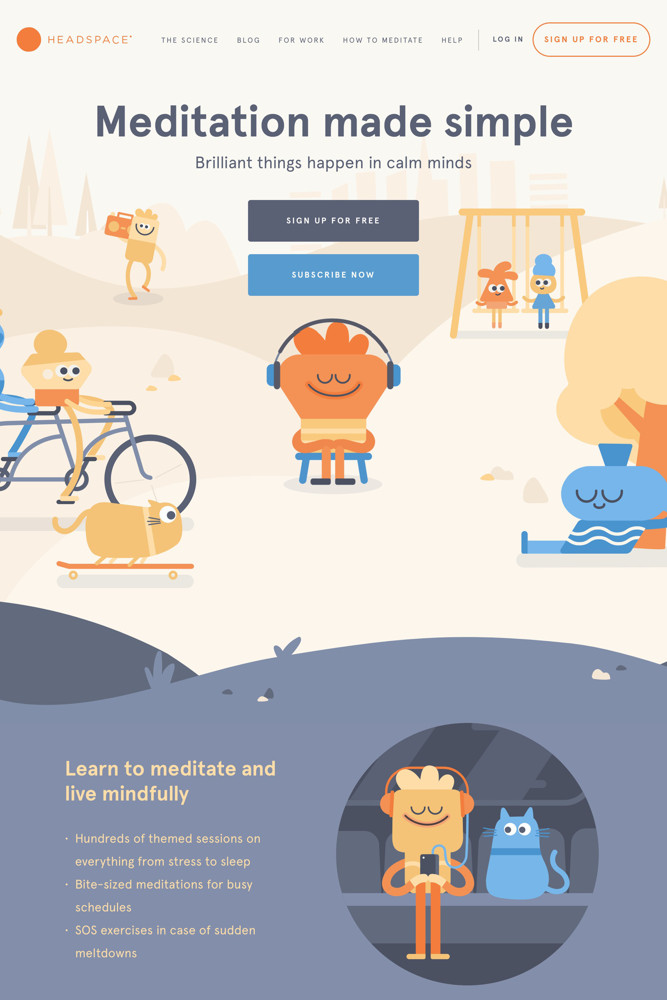
The Headspace app was co-founded in 2010 by Andy Puddicombe and Rich Pierson with the objective to make meditation and mindfulness practices accessible to a contemporary consumer society. After 10 years of international training in meditation and eventually becoming ordained at a Tibetan monastery, Andy Puddicombe recognised that the deep-rooted ritualistic tradition of monastic culture deterred people from connecting with the benefits of meditation. Consequently, the Headspace app has successfully popularised the concept of meditation/ mindfulness by communicating its core principles through a colloquialised tone of voice and approachable modern aesthetic.
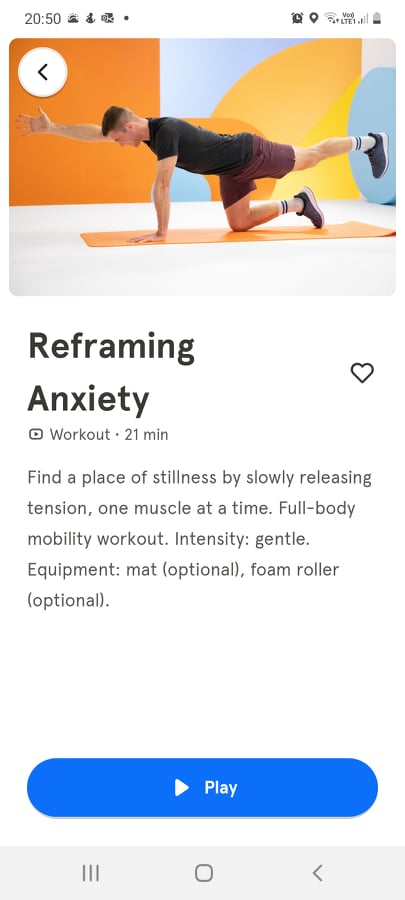
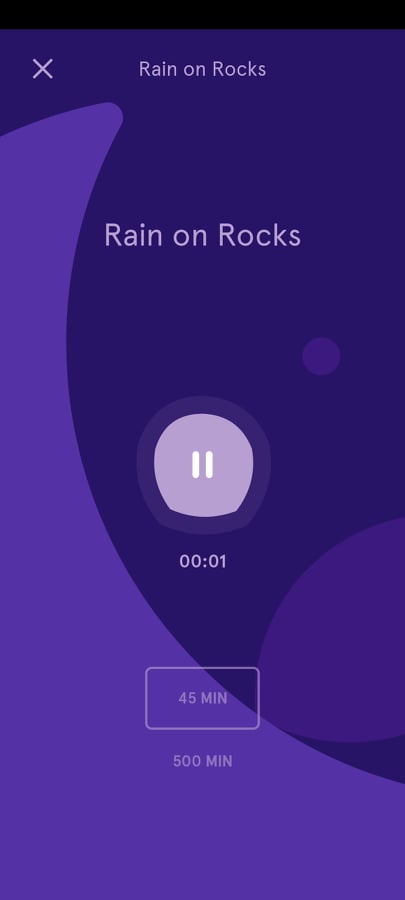
Friendly illustrated avatars and motion graphics humanise the users digital experience, providing a convenient and engaging way of practicing and learning about meditation in manageable, customisable time slots. Although a core principle of Buddhism is the sacrifice of possessions and the subsequent relinquishing of desire driven and suffering, Headspace fulfils a social role benefitting the wellbeing of individuals within a consumer society, identifying the associated anxiety, overwhelm and stress as social problems to be solved through a modern interpretation and application of ancient Buddhist meditation informed by modern science. It’s iconic visual language creates a sense of brand identity, bringing its positive mental wellbeing message to mainstream culture. The app also includes nature inspired features such as 3d soundscapes of natural sounds, rain radio and plant wisdom videos. However, does the digital representation of nature perpetuate the audience’s complacency regarding the physical absence of nature?




3). International Living Future Institute: Biophilic Design Initiative
International Living Future Institute’s Biophilic Design Initiative contributes to the mental wellbeing of the public through its application of a biophilic architectural design philosophy. Biophilic design applies the concept of biophilia (love of life), first explored by Erich Fromm as a psychological orientation of innate affinity towards life or living systems. Edward O. Wilson’s book Biophilia (1984) further popularised the biophilia hypothesis, describing it as the human ‘urge to affiliate with other life forms’.
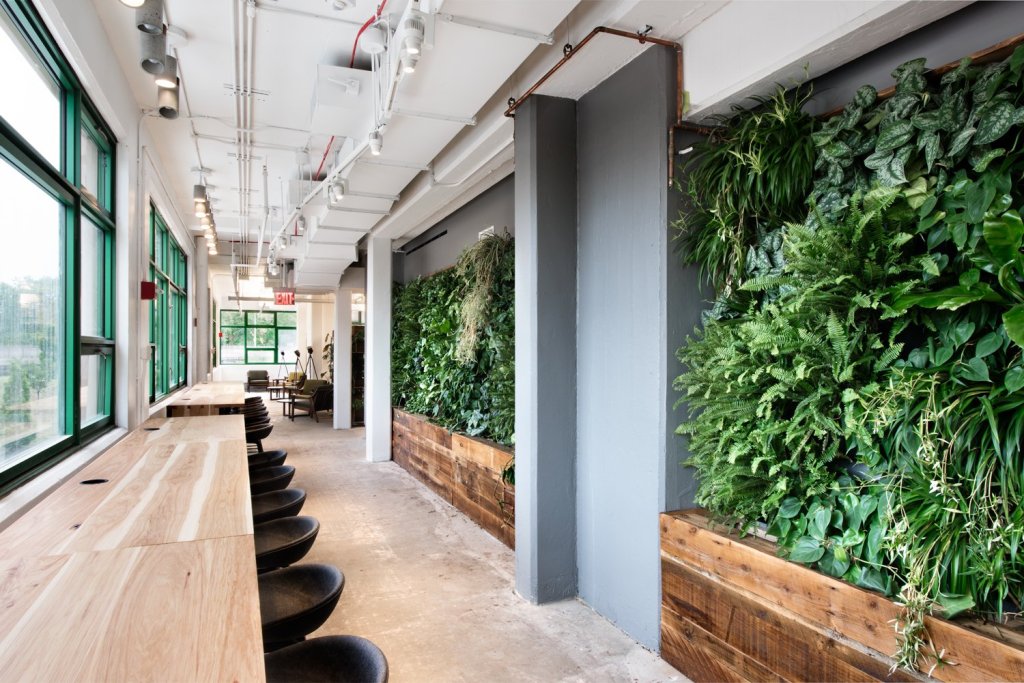
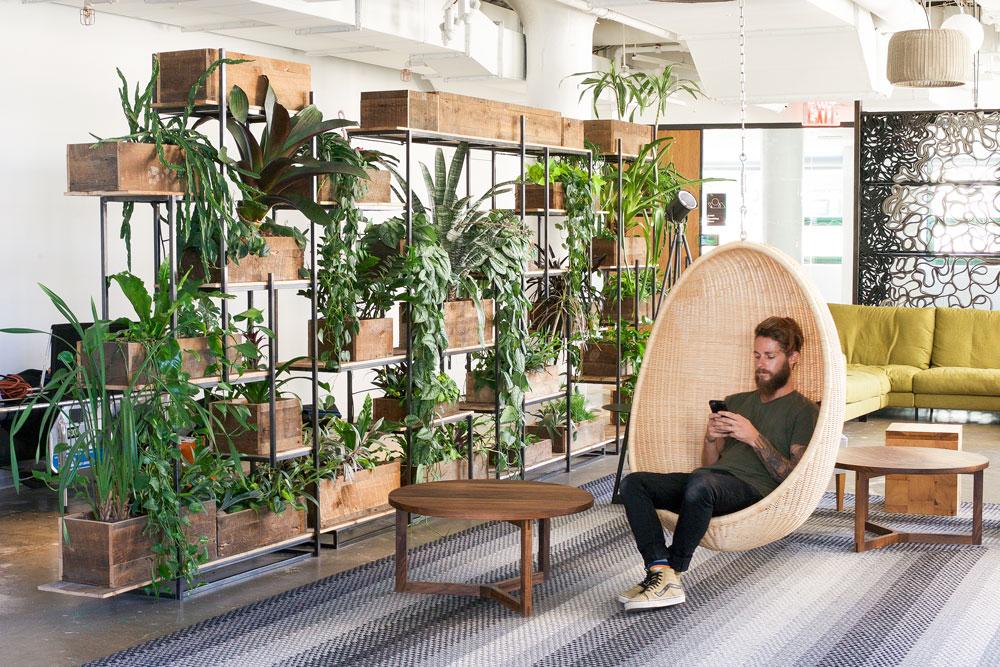
In an increasingly urbanised landscape, biophilic design responds to the problematic feeling of disconnection and separation from the natural world which is proven to increase anxiety, depression and other mental health issues. The practice seeks to fulfil the human tendency to seek connections with nature by reimagining the boundaries between manmade and natural environments. Although integration of plants and living walls have become popular in interior design, Amanda Sturgeon (CEO of Living Futures), argues that biophilic design is ultimately about fostering a “deep connection between people, place, climate and culture”. The design of Etsy Headquarters exemplifies this multidimensional, experiential approach in its botanical motifs, avoidance of straight walls to mimic natures irregularity and the aspiration to create an independent regenerative ecosystem; a rainwater cistern waters the outdoor and indoor green scaping, and composting programs reduce waste. Although biophilic design employs a psychological, scientific methodology to generate wellbeing, most of its core architectural practices are financially inaccessible to the general public of non-home owners, or individuals on a limited income and public projects remain costly.



 CATHY DAVIES